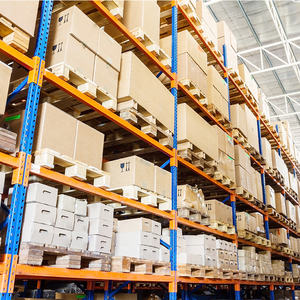
Factory Direct Catalog
High-Density Dynamic Storage Systems & Structural Frameworks
Manufactured to exacting tolerances using structural and high-tensile cold-rolled steel, each system integrates seamlessly into modern logistics hubs, automated handling systems, and regional supply chain nodes.
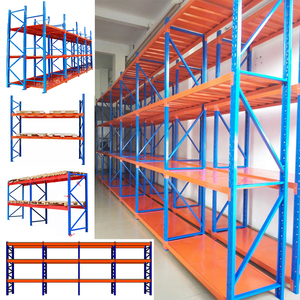
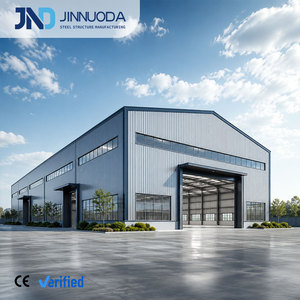
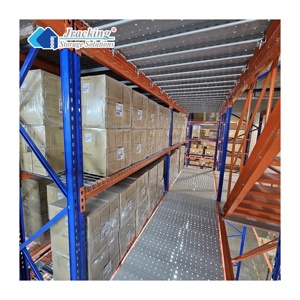
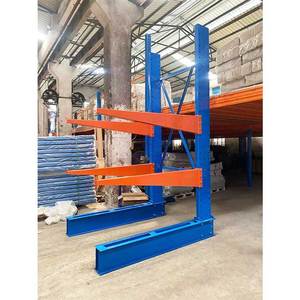
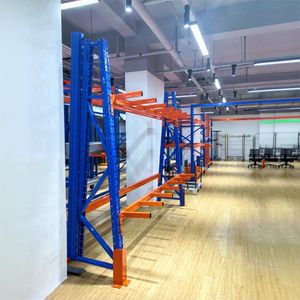
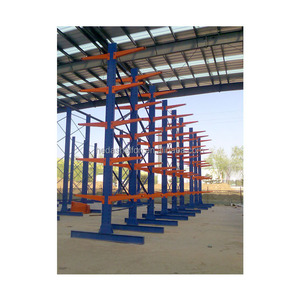
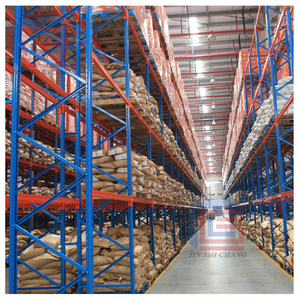
Selective Pallet Systems
Manufacturer Steel Selective Pallet Rack for Warehouse High Density Storage Solutions
Whitepaper Technical Depth
Engineering Principles of First-In First-Out (FIFO) Dynamic Flow
Understanding the kinematic physics, load dampening, and gravity feed geometry behind industrial pallet flow racking for mission-critical facilities.
Kinematic Pitch & Speed Retardation
The foundation of reliable FIFO racking lies in calculating gravity-induced velocity against frictional coefficients. Central Ohio facilities experiencing varying ambient temperatures require customized incline calculations to guarantee fluid movement without load collision risks.
- Gradient Engineering: Engineered slopes between 3/8" to 7/16" per foot maintain perpetual glide for loads ranging from 500 lbs to 3,500 lbs per pallet position.
- Dynamic Centrifugal Brakes: Self-adjusting speed controllers regulate pallet travel speed to approximately 40 feet per minute, preventing high-impact collisions at the discharge face.
- Entry Guides & Ramp Stops: Custom fabricated structural flared guides ease forklift entry at the loading end, while heavy-gauge steel ramp stops absorb kinetic energy at the retrieval aisle.
- Separating Mechanisms: Mechanical pallet separators isolate the discharge pallet from the back pressure of accumulated pallets behind it, ensuring safe removal by standard counterbalanced or reach forklifts.
Structural Integrity & Cold-Rolled vs. Structural Formats
Facilities across Franklin, Delaware, and Fairfield counties demand racking that withstands severe operational conditions. We offer systems fabricated from heavy cold-rolled coil steel or hot-rolled structural steel channels according to structural impact criteria.
- 50,000 PSI Minimum Yield Steel: Upright frames utilize certified high-tensile steel to resist lateral deflection and buckling under seismic loads.
- Full-Welded Heavy-Duty Base Plates: Oversized structural footings disperse dynamic pallet transfer forces directly into industrial 6-inch or 8-inch concrete slabs.
- Roller Track Formats: Options include full-width zinc-plated steel rollers for weak or non-standard pallets and polycarbonate dual-track skate wheels for consistent GMA pallets.
- Anti-Corrosive Thermal Finishes: Electrostatic powder coatings and hot-dip galvanization ensure 20+ years of maintenance-free service even in sub-zero cold storage operations.
Regional Industrial Topology
FIFO Pallet Flow Deployments Across the Columbus Market
Columbus, Ohio stands as the logistics crossroads of the Midwest, positioned within a single day’s truck drive of 46% of the U.S. population. Here is how our FIFO pallet flow systems power specific local industrial sectors.
Rickenbacker Logistics Park (3PL Hubs)
Optimized for high-turnover third-party logistics centers requiring isolated loading and retrieval aisles to decouple forklift traffic and maintain constant order fulfillment velocity.
Perishable Food & Cold Chain Centers
Essential for regional grocery distribution in Groveport and Obetz, ensuring strict inventory rotation so that earliest-dated food items discharge first, eliminating costly spoilage.
Pharmaceutical & Medical Distribution
Supporting biomedical clusters near Dublin and New Albany with strict batch control, compliance tracking, and cleanroom-compatible powder-coated roller assemblies.
Automotive & Semiconductor Clusters
Staging subassemblies and manufacturing raw materials for assembly plants along the I-70/I-71 corridors, balancing continuous lineside delivery with high spatial efficiency.
Economic & Macro Analysis
Central Ohio Warehouse Trends Driving FIFO Racking Adoption
The industrial landscape in Franklin County, Delaware County, and Licking County is undergoing massive transformations. These key macro factors dictate modern racking layout strategies.
Escalating Industrial Lease Rates
With Class A industrial lease rates surging across Central Ohio, facility managers cannot justify wide static aisles. FIFO pallet flow recovers up to 50% of wasted aisle square footage, doubling storage without expanding building footprints.
Forklift Travel Time Reductions
Labor shortages along the Columbus logistics corridors demand streamlined internal transit. Dedicated loading and picking faces cut total forklift transit distance by over 35%, drastically lowering equipment wear and human operator fatigue.
Strict Regulatory Product Traceability
FDA requirements, FSMA food safety rules, and medical serialization protocols necessitate uncompromising lot control. Gravity-fed FIFO makes inventory non-compliance mechanically impossible by strictly locking SKU sequence from dock to discharge.
Automation & AGV Integration
Modern distribution setups in Central Ohio are deploying Autonomous Mobile Robots (AMRs) and Automated Guided Vehicles (AGVs). Pallet flow lanes deliver repeatable, static pallet staging coordinates necessary for robotic pickup tooling.
Factory Capabilities
Engineering Superiority & Turnkey Racking Execution
Combining heavy-industry manufacturing capacity with precise local installation teams to solve intricate storage bottlenecks without intermediaries.
Work With Storage-Savvy Engineers
Every dynamic racking lane is calculated around pallet deflection tolerances, bottom board grain orientation, and building structural columns—never pulled blindly from an off-the-shelf template.
Custom Dimensions & High Bay Limits
Accommodating any bay clearance, run depth (from 2 to 25 pallets deep), and multi-tier structural catwalk arrangements tailored to standard GMA, CHEP, Euro, or custom runner pallets.
Free 2D Layout & 3D Engineering Analysis
Validate density metrics prior to procurement. We supply comprehensive CAD elevation profiles, seismic structural calculations, and 3D simulation files to assist your internal engineering teams.
Turnkey Certified Local Installation
Fully compliant with Ohio building codes, OSHA guidelines, and ANSI/RMI MH16.1 specifications. Project oversight covers on-site delivery, laser slab alignment, anchoring, and commissioning.
Buyer Intelligence
Central Ohio Buyer's FAQ: First-In First-Out Racking
Direct technical answers addressing the real questions asked by facility managers, safety directors, and logistics buyers in the Columbus metropolitan area.
How does a FIFO Pallet Flow system differ mechanically from Push-Back (LIFO) racking?
Push-back racking is a Last-In, First-Out (LIFO) system where pallets are loaded and retrieved from the same aisle, pushing existing pallets up an incline on nesting carts. FIFO Pallet Flow utilizes separate loading and retrieval aisles. Pallets travel down dedicated roller or wheel lanes propelled by gravity from the replenishment end to the picking end. This provides pure batch/expiration date rotation and decouples loading forklift traffic from picking machinery.
What concrete slab specifications are required for high-density pallet flow in Columbus?
Because dynamic pallet flow consolidates vast weights into dense configurations, upright point loads are significantly higher than standard selective racking. Most systems require an industrial slab thickness of at least 6 to 8 inches with 3,500 to 4,000 PSI compressive strength concrete. During our free design analysis, our structural engineers review your core drill reports, subgrade compaction values, and joint expansion layouts to specify correct baseplate dimensions and chemical anchor embedment depths.
Can non-standard, plastic, or damaged wooden pallets run smoothly in your systems?
Standard skate-wheel tracks operate best with uniform, high-quality wood pallets (like GMA or CHEP) where bottom boards are intact and smooth. For operations handling diverse pallet types—such as plastic drums, perimeter-base plastic pallets, metal tubs, or varying board conditions—we specify full-width zinc-plated steel roller beds. These rollers bridge uneven contact surfaces and maintain consistent rolling resistance regardless of pallet variations.
What building and seismic codes govern racking installation in Franklin County?
Columbus and Central Ohio fall under the Ohio Building Code (OBC), which adopts the International Building Code (IBC) alongside the Rack Manufacturers Institute (RMI/ANSI MH16.1) standard. While Central Ohio is characterized by lower seismic acceleration design categories compared to the West Coast, racking systems exceeding 8 feet in height require formal PE-stamped structural calculations, anchor inspection signoffs, and high-piled combustible storage permitting coordinated with the local Columbus Division of Fire.
How do you handle pallets that get stuck or stall mid-lane?
System stalls are usually caused by defective pallets or debris. Our systems feature engineered incline angles matched to your actual pallet load weights, anti-backout safety stops, and integrated access walkways for deep lanes. Operators can safely free a stalled pallet using standard forklift "charging" techniques or via specialized lane clear tools, eliminating the need for personnel to enter active gravity lanes.
Accelerate Your Columbus Logistics Facility Performance
Connect with our senior racking applications team for an on-site facility audit, structural load calculation, and custom CAD layout proposal.
Inquire Now