Industrial Storage Systems & Engineered Pallet Racking
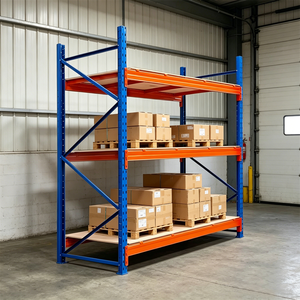
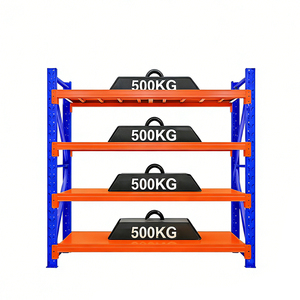
Precision-manufactured structural steel racking systems designed for intense material handling, high dynamic payload retention, and direct forklift interface compliance.
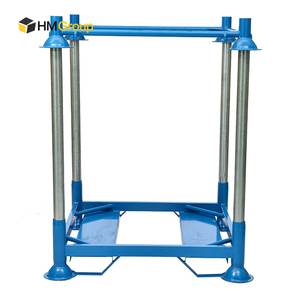
Warehouse Storage Detachable Metal Stacking Pallet Big Bag Rack with Posts
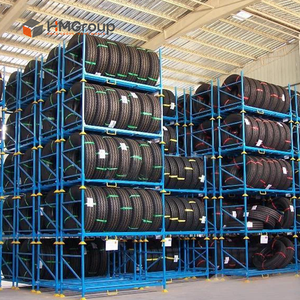
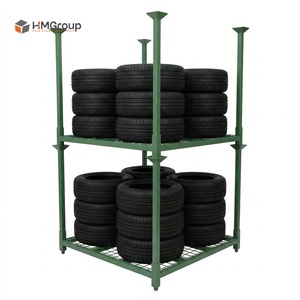
Customized Auto Industry Warehouse Steel Tire Storage Stacking Post Pallet Racks
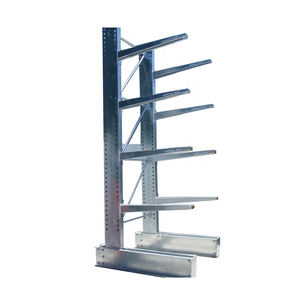
Large Capacity Logistics Equipment Cantilever Racking Galvanized Canteliver Racking
The Next Decennium in Warehouse Storage Architecture
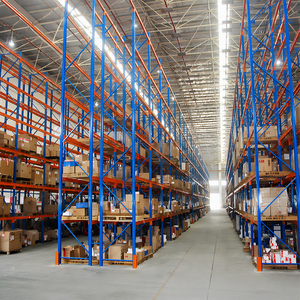
Global supply chain volatility and soaring industrial commercial lease costs have shifted the mandate of warehouse design from pure linear capacity to dynamic volumetric yield. Modern supply chains can no longer tolerate obsolete static racking configurations with 3.5-meter wide fixed forklift aisles that sit dormant over 70% of the operational shift.
By transitioning from selective static architectures to automated, high-density, or mobile-assist systems, multinational distribution hubs recover up to 50% of wasted aisle area or double their total pallet capacity within their existing civil engineering footprint.
- High Yield Strength (SS400 / Q235B): Extreme cold-rolled steel profiling ensures consistent ductility under seismic shock loading.
- Electrostatically Applied Thermoset Coating: Superior corrosion, impact, and chemical defense under extreme climate cycles.
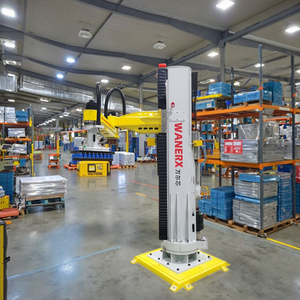
- Robotic Material Automation Interface: Fully integrated structural tolerances compatible with AGV, AMR, and automatic robotic palletizers.
AS/RS & Automated Pallet Handling Integration
Modern wholesalers demand racking beams engineered to withstand high-cycle robotic automated shuttle forces and robotic palletizing lines without dynamic deflection.
Modular Demountable & Stacking Systems
Post pallet racks and detachable metal structures eliminate capital expenditure depreciation risks by adapting floor plans instantaneously to bulk variations.
Seismic Optimization & Global Building Code Standards
Engineering demands full integration with IBC (USA), NBCC (Canada), and EN 15512 (Europe) codes, balancing upright gauge stiffness with floor slab load limits.
Why Global Wholesalers Choose Our Manufacturing Power
Decades of proprietary engineering, state-of-the-art roll forming infrastructure, and complete end-to-end turnkey logistics guarantees.
High-Grade Material Sourcing
Utilizing high-tensile hot-rolled and cold-formed certified structural steels. All batch components undergo mechanical stress, yield, and ultrasonic weld defect analysis.
Customized CAD/BIM Layout Engineering
We provide full structural static and seismic calculations, preliminary 2D architectural elevation blueprints, and native 3D Revit models to confirm load factors prior to production.
Turnkey Lifecycle Delivery
From custom beam roll-forming and robotic welding to automated surface powder pretreatment and worldwide container loading, we operate as a single unified partner.
Patented Structural Connections
Precision-engineered interlocking teardrop and hook profiles coupled with high-visibility safety lock pins eliminate unintentional beam dislodgement under active forklift impacts.
Strict Environmental & ESG Standards
Volatile organic compound (VOC)-free thermoset electrostatic powder coatings combined with zero-scrap steel stamping cycles reduce total carbon footprint per production metric ton.
Global Certified Field Support
Our expansive direct distributor and trained engineering field crews deliver precision leveling, epoxy anchor bolt torque testing, and full commissioning audits worldwide.
Frequently Asked Questions on Heavy-Duty Racking Procurement
Direct technical guidance covering structural tolerances, concrete slab capacity, seismic ratings, and regulatory compliance.
How do we accurately assess slab load capacity for heavy-duty pallet systems?
What distinguishes hot-dip galvanized finish from standard electrostatic powder coating?
How do international seismic codes (RMI, FEM, AS4084) dictate rack manufacturing?
Can your industrial storage racks seamlessly interface with automated AGVs and robotic palletizers?
What is the difference between selective pallet racking and drive-in or push-back systems?
What documentation and design validations are provided for municipal permitting?
Ready to Optimize Your Industrial Storage Footprint?
Connect with our senior logistics architects to request a complete technical specification package, custom load calculation review, and certified price quotation.
Get Catalog