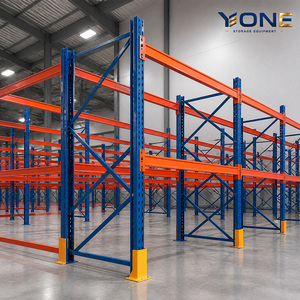
China Wholesale Pallet Flow Rack Manufacturer & Exporter
Precision Heavy-Duty Gravity Roller Storage, High-Density FIFO Intralogistics & Direct Factory Engineering
Engineered Heavy-Duty Inventory
High-Efficiency Warehouse Racking Solutions
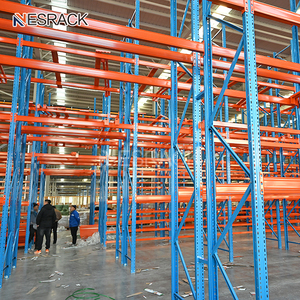
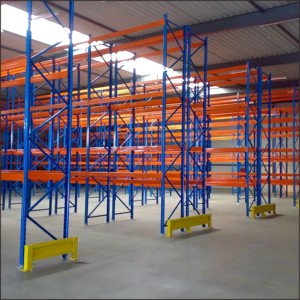
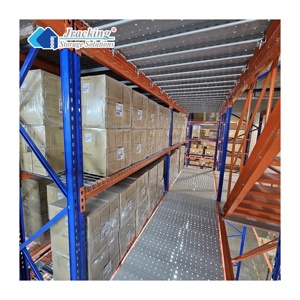
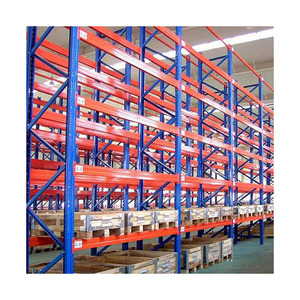
Manufactured using certified premium Q235B/Q355B structural steel, optimized for intensive pallet flow systems, e-commerce distribution centers, cold rooms, and mega fulfillment hubs worldwide.
65%
Floor Space Reclaimed
100%
FIFO Inventory Rotation
2500+
Global Racking Projects
ISO/FEM
Certified Structural Standards
Technical White Paper
The Engineering Fundamentals of Modern Pallet Flow Racking
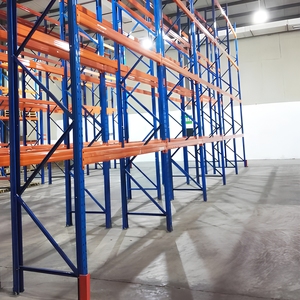
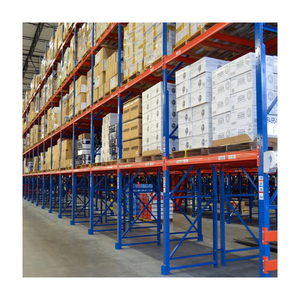
Pallet flow racks—widely recognized as gravity flow racks—represent the pinnacle of high-density dynamic storage. Operating on an inclined roller track platform, pallets placed at the loading rear glide by natural gravitational kinetics toward the retrieval face. This architectural system isolates forklift handling lanes from replenishment runs, minimizing operator transit cycles, operational hazards, and energy expenditures.
Controlled Velocity Dynamic Braking
Our engineered gravity bed incorporates centrifugal speed controllers and magnetic brake rollers strategically calibrated across the gradient. Irrespective of payload variation (from 300kg to 1500kg per pallet position), pallets cruise uniformly at a secure terminal velocity (0.25 to 0.3 m/s), eliminating terminal impacts.
Separation & Ramp End Pick Safety
To relieve static line pressure at the discharge gate, our patented structural pallet separators disengage the lead pallet from upstream queuing loads. Forklift drivers can effortlessly remove discharge pallets without encountering dangerous back-pressure from dense multi-deep lane storage.
High-Strength Q235B / Q355B Steel Roll-Forming
Each upright, box beam, and roller channel profile is roll-formed from certified high-tensile carbon steel. Engineered with FEM 10.2.02, RMI, and AS4084 compliance, systems deliver calculated structural resilience against continuous seismic dynamics and warehouse forklift impacts.
Procurement & Technology Horizon
Future Trends Shaping the Global Pallet Flow Rack Sector
As warehouse real estate costs surge and global cold chains proliferate, enterprise supply chain directors must evaluate strategic material handling trends before committing capital expenditures.
1. Convergence with Autonomous Mobile Robots (AMRs)
Traditional manual gravity flow systems are shifting toward automated interfaces. Next-generation pallet flow beds are configured with laser-guided entry centering funnels and photoelectric safety stops to allow direct loading and picking by AMRs, automated guided vehicles (AGVs), and stacker cranes without manual touchpoints.
2. Cold Chain & Energy Densification Requirements
Refrigerated and blast freezer facilities represent the highest operational power cost per cubic meter. Pallet flow rack systems compress storage into continuous multi-deep gravity blocks (up to 20 pallets deep), slashing refrigerated air volume wastage by 50% and dramatically accelerating cold-cycle ROI.
3. Data-Driven Dynamic Lane Monitoring
Industrial IoT sensors embedded within roller brackets are emerging to supervise real-time lane occupancy, speed variance, and bearing temperature profiles. This data stream directly informs warehouse management software (WMS) to prevent deadlocks and schedule predictive maintenance before system stoppages occur.
4. Hybrid Palette Geometry Adaptability
Global supply networks manage inconsistent carrier pallets, including Euro-pallets (800x1200mm), GMA standard (48x40"), and plastic runner platforms. Modern procurement dictates full-width cylindrical roller beds rather than split dual tracks, ensuring seamless multi-pallet flexibility without jamming.
5. Direct Factory Procurement vs. Intermediary Margins
International enterprise buyers are systematically bypassing regional traders to work directly with large-scale Chinese steel structural fabricators. Direct factory collaboration secures verified mill test certificates (MTC), customized CAD/BIM integration, OEM/ODM compatibility, and significant cost savings.
Manufacturing Excellence
Why Partner with Us for International Heavy Storage Projects
Combining automated roll-forming technologies, rigorous structural engineering, and end-to-end global project management capabilities.
Certified Materials & Testing
Every structural profile utilizes premium Q235B/Q355B cold-rolled steel directly sourced from certified tier-one state mills, accompanied by comprehensive mechanical stress testing reports.
Customized to Exact Dimensions
Our automated high-precision roll-forming lines satisfy bespoke length, bay clear opening, track depth, and heavy loading specifications (1000kg to over 3000kg per bay tier).
Free 2D/3D Design Analysis
Before contract execution, our seasoned intralogistics architects supply complete structural CAD plans, 3D spatial models, and static loading calculation sheets to validate storage capacity upfront.
Global Export & Turnkey Supply
Comprehensive ocean logistics management with precision bundle packaging, seismic anchoring accessories, and detailed assembly schematics for streamlined commissioning across North America, Europe, and Asia.
Procurement Intelligence
Contact Us
Frequently Asked Procurement Questions
Essential considerations for logistics architects, supply directors, and global sourcing managers planning high-density pallet flow projects.
What is the standard floor slope angle for pallet flow dynamic lanes? +
The industry benchmark slope gradient spans between 3% and 4% (approximately 35–45mm elevation decline per linear meter). The precise angle is calibrated according to pallet runner composition (solid wood, pressed composite, HDPE plastic), base deflection limits, and weight variation across designated inventory SKUs.
How do speed brake rollers prevent load acceleration and lane derailment? +
Internal centrifugal or eddy-current brake assemblies activate when roller rotation surpasses safety thresholds. By applying controlled mechanical resistance directly against the pallet underside, downstream movement stays capped at safe pick-face speeds (approx. 0.3 m/s), regardless of overall bay lane depth.
Can pallet flow racking systems integrate within existing warehouse slabs? +
Yes. Because dynamic pallet flow tracks consolidate dense loads into focused footprint areas, slab point loads must be assessed. Our structural engineering department provides baseplate thickness reviews and seismic anchoring patterns compliant with local codes (IBC, EN 15512, AS4084) to distribute loads safely across existing industrial floors.
What are the critical distinctions between Pallet Flow (FIFO) and Push-Back (LIFO)? +
Pallet Flow utilizes distinct loading and retrieval aisles on opposite sides of the rack, enforcing First-In, First-Out (FIFO) movement ideal for perishable goods, pharmaceuticals, and fast-moving SKUs. Push-back racking uses a single access aisle where incoming pallets push back previous ones on nested carts, operating on a Last-In, First-Out (LIFO) protocol suited for non-perishable bulk inventory.
How does the surface finish protect against cold store condensation and corrosion? +
We apply an automated multi-stage pre-treatment (iron-phosphate degreasing followed by demineralized rinsing) and electrostatically deposit thermosetting epoxy-polyester powder, cured at 180°C. For deep sub-zero freezing environments or wet operations, hot-dip galvanized steel components (ASTM A123 / ISO 1461) are specified to prevent corrosion throughout decades of operation.
What is the standard production and shipping lead time from China? +
Standard engineering drawing approval takes 3–5 working days. Roll-forming and fabrication require approximately 20–30 days for 10–20 container projects. All cargo is bundled in heavy-duty nested ocean export packaging to prevent transit deformation, with sea freight schedules confirmed via major direct container carriers.
Transform Your Warehouse Floor Yield with Gravity Flow Engineering
Consult with our engineering desk today for structural sizing, technical specification sheets, certified static calculations, and competitive direct factory export quotes.
Contact Us