Architectural Mechanics: Why Push Back Racking Outperforms Traditional Storage
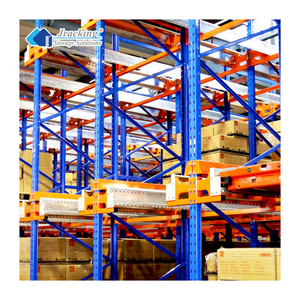
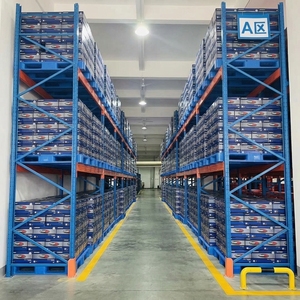
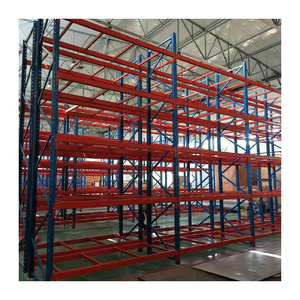
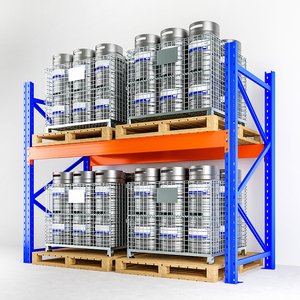
Modern industrial supply chains demand maximum volumetric utilization without sacrificing throughput velocity. Push back racking systems represent the pinnacle of mechanical high-density storage by operating on an inclined rail and nested cart framework. By taking advantage of natural gravity, each pallet is positioned on a rolling cart that is effortlessly pushed rearward when a consecutive pallet is loaded into the lane.
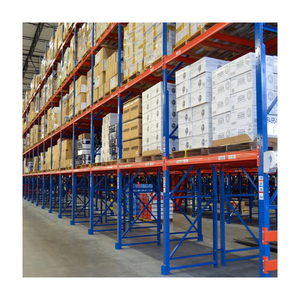
Unlike Drive-In racking architectures—which mandate that forklift operators drive inside the structural matrix of the rack—push-back systems confine forklift operations strictly to the face aisle. This eliminates over 80% of accidental frame impacts, dramatically reduces structural fatigue, and cuts cycle handling times by nearly half. Pallets gravity-flow automatically to the picking face when an outbound pallet is picked, maintaining a streamlined Last-In, First-Out (FILO) retrieval rhythm perfectly suited for medium-rotation inventory with multiple pallets per SKU.
| System Architecture | Floor Space Utilization | Forklift Damage Exposure | SKU Selectivity Index | Operational Throughput |
|---|---|---|---|---|
| Push Back Racking (2-6 Deep) | Up to 75% Active Utilization | Extremely Low (Face Aisle Only) | High (1 Lane = 1 Unique SKU) | Fast Cycle Times (Continuous Face Picking) |
| Standard Selective Racking | 40% (Wasted Aisle Corridors) | Moderate (Narrow Aisle Maneuvering) | 100% Direct Access | High Travel Distances |
| Drive-In Pallet Racking | 65% Utilization | High Risk (Vehicle Enters Frame) | Poor (Deep Honeycombing Loss) | Slow (Restricted Vehicle Speed Inside Lane) |
| Pallet Flow (FIFO Live Storage) | Up to 85% Utilization | Low (Dedicated Input / Output Faces) | Moderate to High | Fast (Requires Two Operational Aisles) |
By engineering nested carts manufactured with precision-ground low-friction flanged steel wheels, our push-back platforms mitigate racking inclination angles down to an optimal 2.5% to 3.5% grade. This structural finesse guarantees seamless push-in force from standard counterbalance forklifts while ensuring controlled, jerk-free descent speeds, fully protecting delicate pallet loads from shock impact.