Featured Heavy-Duty Racking & Industrial Systems
Designed for mission-critical logistics, automated warehouses, and high-density industrial hubs worldwide.
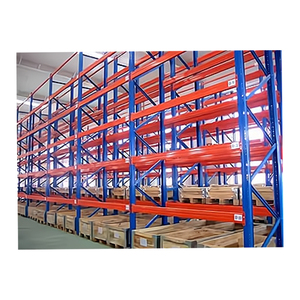
Hot Selling Heavy Duty Metal Steel Warehouse Rack
Constructed with ultra-high yield Q235B cold-rolled steel, engineered for variable distribution hubs with multi-tier capability up to 5,000kg/tier.
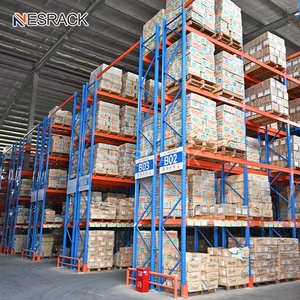
Adjustable Selective Pallet Racking System
100% direct access to every pallet position. Modular pitch spacing (50mm/75mm) accommodates standard Euro (EUR/EPAL) and ISO pallets.
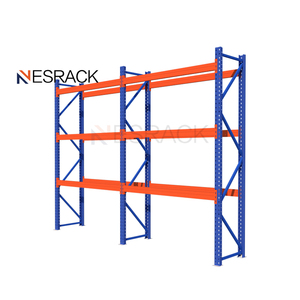
Industrial Corrosion-Proof Heavy Stacking Rack
Specialized electrostatic thermoplastic powder-coating delivering exceptional resistance against humidity, acids, and cold room crystallization.
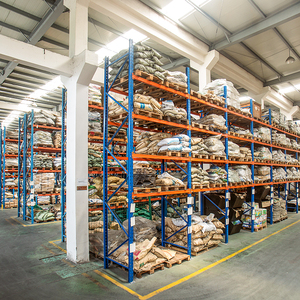
5-Layer Specialized Roll & Fabric Storage System
Engineered for dense textile rolls and coil configurations. Optimized load distributions handle 1000kg to 3000kg per level safely.
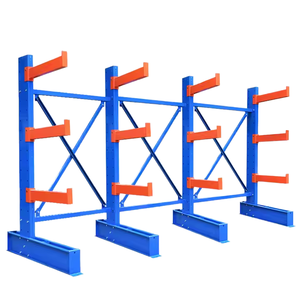
Heavy-Duty Industrial Cantilever Racking System
Designed for continuous horizontal storage of steel pipes, timber, profile bundles, and heavy sheets without front-column obstruction.
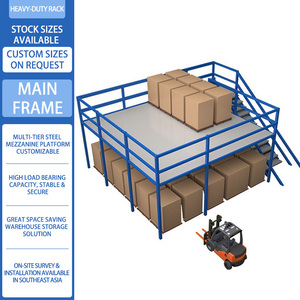
High-Bay Cold Rolled Pallet Warehouse Racking
High-tolerance vertical uprights suited for narrow-aisle (VNA) forklifts and high-bay configurations with tight seismic bracing tolerances.
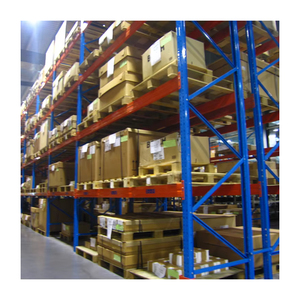
Heavy-Duty Boltless Steel Storage & Pallet Hybrid
Tool-free locking pin configuration facilitating lightning-fast reconfiguration. Ideal for mixed pallet and carton case manual pick locations.
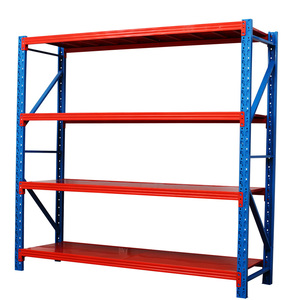
Boltless Multi-Tier Archive & Light Industrial Shelving
High-density parts storage engineered with cold-rolled profiled steel profiles, offering customizable bay depths and heights up to 3,000mm.
Structural Safety, Regulatory Compliance, and Engineering Integrity
As international supply chains experience severe spatial pressures, warehouse logistics infrastructure requires more than simple static capacity. Structural failure in pallet racking can trigger catastrophic losses, chain collapses, and strict corporate liability. Working with a verified CE certified industrial shelving supplier and exporter ensures structural stability under complex live loadings, dynamic seismic activity, and high-frequency automated cycles.
Under European Committee for Standardization mandates, industrial steel storage racking falls under specific structural performance requirements outlined in EN 15512 (Structural design of adjustable pallet racking), EN 15620 (Tolerances, deformations and clearances), and EN 15635 (Application and maintenance of storage equipment). The CE mark on steel shelving isn't simply an aesthetic seal; it confirms audited Factory Production Control (FPC), material traceability back to prime steel mills, and load calculations verified through finite element analysis (FEA).
EN 15512 Structural Verification
Iterative limit-state calculation analyzing upright stub-column buckling, beam end-connector rotational stiffness, and second-order P-Delta sway effects.
Seismic Engineering (EN 16681)
Custom dynamic modal response spectra calculations ensuring dissipative behavior and anti-collapse ductilities across major global seismic fault zones.
Traceable Metallurgy
100% prime-grade cold-rolled steel (Q235B, Q355B or grade S355JR) supplied with complete EN 10204 3.1 chemical and tensile inspection certificates.
When selecting industrial pallet racks or cantilever frames, procurement directors must evaluate the structural safety factor, which must never be lower than 1.4 under ultimate limit states (ULS). The deflection limits governed by standard EN 15620 dictate that under maximum safe working load (SWL), beam vertical deflection must not exceed L/200 for standard applications or L/300 when integrated with automated storage cranes or automated guided vehicles (AGVs).
| Parameter / Norm | Standard Warehouse Racking | CE Certified Heavy-Duty Racking | Impact on Warehouse Operations |
|---|---|---|---|
| Structural Standard | General local guidelines | EN 15512 / CE Conformity / FEM 10.2.02 | Full legal compliance and insurable asset risk protection |
| Steel Mill Traceability | Commercial recycled mix | Certified Q235B / Q355B with 3.1 Mill Certs | Consistent yield strength; prevents unpredictable frame collapse |
| Beam Vertical Deflection | Often > L/150 under SWL | Stricter than L/200 (Up to L/300 for AS/RS) | Guarantees equipment clearance, smooth picking, and worker safety |
| Surface Treatment | Basic liquid enamel dipping | 60–80μm electrostatic epoxy powder coat | Extends operational lifespan, rust protection in humid/cold facilities |
Manufacturing Excellence & Turnkey Supply Advantages
From custom structural engineering to precision roll-forming and worldwide export logistics.
Custom Structural Profiles
In-house computerized cold-roll forming lines deliver custom column profiles (uprights) and closed step-beams engineered to custom bay heights and spans.
Free 2D/3D Space Layout
Get comprehensive layout blueprints, volumetric storage calculations, and CAD/BIM floor analyses within 48 hours prior to procurement approval.
Seamless ERP & AS/RS Fit
Tolerances maintained below 1.5mm variance across tall runs, guaranteeing frictionless integration with shuttle systems, narrow aisles, and automated cranes.
Complete Turnkey Supply
From frame baseplates, floor-anchoring bolts, drop-in wire decks to row spacers and upright frame corner guards—one source manages the complete bill of materials.
Audited Quality Control
Ultrasonic weld inspection, continuous salt spray bath testing (up to 500 hours), and destructive load testing validated per ISO 9001 and CE frameworks.
Rapid Export Delivery
Optimized nesting, bundled packaging, and streamlined export documentation for prompt, damage-free container dispatch across North America, Europe, and the Middle East.
Eco-Friendly Finishing
Zero-heavy-metal electrostatic powder coatings curing at optimal thermals, ensuring negligible VOC emissions and support for LEED-certified warehouse projects.
Field Support & Installation
Certified overseas installation supervisors, comprehensive technical manuals, torque-spec checklists, and remote engineering inspection support.
Factory Direct Value
Direct export pricing without middlemen, delivering maximum capital efficiency to industrial EPCs, system integrators, and logistics facility developers.
Long-Term Warranty
Every structural system is backed by our comprehensive 10-year structural integrity guarantee against steel buckling, weld separation, and material fatigue.
Future Sourcing & Technological Trends in Industrial Shelving
Anticipate supply chain disruptions, automation demands, and regulatory updates across the next decade.
High-Bay AS/RS & Shuttle Synergies
Rising industrial land costs are driving vertical warehouse expansion past 20 meters. Standard manual forklift racking is rapidly shifting toward automated shuttle platforms, 2D pallet runners, and automated storage and retrieval systems (AS/RS). Frame manufacturing now requires micrometric tolerances, specialized beam guide rails, and high-tensile steels designed to handle continuous high-speed acceleration loads.
Low-Carbon Steel & ESG Scrutiny
International procurement frameworks are beginning to mandate verified Environmental Product Declarations (EPDs). Sourcing is trending away from traditional blast furnace processing toward Electric Arc Furnace (EAF) low-carbon steels. Tier-1 enterprise buyers evaluate supplier ESG performance alongside price, requiring verifiable carbon-intensity ratings for warehouse installations.
Smart Racking with IoT Load Sensors
Real-time structural health monitoring is moving from research into operational facilities. Modern warehouse operators are testing embedded IoT strain gauges, LiDAR deflection monitors, and impact sensors mounted on upright columns. This enables automated alerts for forklift collisions, continuous safe-working-load monitoring, and proactive safety management aligned with EN 15635 inspections.
Frequently Asked Questions for Sourcing & Engineering
Technical answers to common questions about CE certification, safety standards, and project delivery.